The World’s Best Beaches Revealed

If your idea of the perfect holiday is lounging on a warm and beautiful beach, then you might want to check Trip Advisor’s Traveller Choice Awards 2016. Each year Trip Advisor asks its users to vote for their favourite destinations in a number of categories, and this year’s Best Beach awards revealed some fantastic locations.

Read more

Family Holidays – Road Trips in America

The USA: 3.8 million square miles of landscape just waiting to be explored. From mountains and forests, to beaches and roller-coasters, America has it all. It’s a particularly fantastic holiday destination for families, given the variety of scenery, sights and attractions.

With so much to see and do, why stay in the same place when you and your loved ones can experience the Great American Road Trip?

Read more

The History of the Holiday

In the 21st Century, most people have at least one holiday per year. If you asked these people to describe their holidays, most would probably depict an airplane journey, lovely sunny weather, beautiful beaches, relaxation in a hotel and some kind of adventure or anecdote.

Pool-People-Sun-Holiday

However, the origins of these kinds of holidays were very different;

  • Pilgrimages – Before the 16th Century, most people only travelled for work, however, much like today they took religious days off work. On the other hand, as the famous writer Chaucer points out, people did travel on religious Pilgrimages. On these trips, people would travel the country, stay in inns, swap stories with fellow travellers and enjoy food and drink.
  • Queen Elizabeth – In the 16th and 17th Centuries, Queen Elizabeth I started to encourage rich heirs to travel, to help them broaden their knowledge for when they eventually entered her court.
  • Renaissance – During the Renaissance people started looking back to the ancient Romans for ideas about medicine and healing. For example, mineral water became extremely popular. In places like Bath, healing spas were launched, and entertainment was added to amuse the patients and to draw others. Therefore, everyone began to flock to these spas for enjoyment and relaxation.
  • Unsurprisingly these spas developed into holiday retreats for the wealthy, for example Bath was extremely famous during the 18th Century, as a place the rich went to socialise, watch plays and dine. In Bath, Richard Nash made a career of amusing the rich by arranging Bath’s social calendar of events.
  • In the 18th Century, it was then suggested by Sir John Floyer, that sea water had amazing healing properties. Therefore, Brits began to flock to the previously unpopular English sea side. With close links to London, Brighton flourished, and was even visited by Royalty, George IV built the famous Royal Pavilion.
  • The Industrial Revolution gave the working classes more income, and improved transport links, meaning that holidays were no longer limited to the rich. During this time several acts were passed giving workers extra holidays.
  • In 1936 the first Butlins Holiday Camp was built – a chain which proved extremely popular for many years.
  • After this, heritage sites became extremely popular with the British holidaymaker. Places like Stonehenge and Shakespeare’s birth place in Stratford upon Avon were visited by tens of thousands of people every year.
  • During the 20th Century, aeroplanes began to transport holidaymakers across the world, and popular low cost airlines grew.
  • The 20th Century also saw the birth of package holidays in the UK, Spain and France. This market then rapidly expanded to include popular destinations such as Florida and Disneyland. Now travel is an unlimited prospect which is available to anyone.

Wherever you decide to holiday this year, make sure you invest in top quality Travel Insurance before you travel.

Holiday cancellation

No one books a holiday expecting to have to cancel at the last minute, but of course we never know what is waiting round the corner, do we?

There are many reasons why you may need to cancel your trip. A few examples are: you or a close relative fall ill and are unable to travel, you may be called up for jury service and are unable to be released from it, you are made redundant, or the Foreign Commonwealth Office advise against all travel to your holiday destination.

That is why it is always advisable to buy holiday cancellation insurance when you book your trip. It doesn’t matter if you are just renting a cottage in the Lake District, Cruising the Med, or jetting off to the USA, if you suddenly had to cancel your trip you would lose money.

Cancellation Stress
Holiday cancellation insurance will pay the costs of transport charges, loss of accommodation and additional travel expenses that you have paid or agreed to pay and that you cannot recover from any other source should you have to cancel your trip due to:

  • the sudden and unforeseen death, injury or illness of:
  • you or a friend with whom you are travelling.
  • a close relative who lives in your home country.
  • a close business associate who lives in your home country.
  • a friend who lives abroad and with whom you were intending to temporarily stay.
  • it will also protect you should you be called up for jury service or as a witness in a Court of Law,
  • if you are suddenly given notice of redundancy.
  • or, if you are in H M Forces, and your leave orders are suddenly cancelled.

Cancellation cover begins on your chosen policy start date.

As well as cancellation protection all our policies provide:

  • UK, Europe and worldwide options
  • Single Trip travel insurance and Multi-trip policies available
  • No upper age limits on our Single Trip policies
  • Winter Sports cover available
  • Cover includes: emergency medical expenses from £2 million, emergency repatriation, personal possessions, money, personal liability, legal expenses and personal accident
  • Automatic cover on 100 adventure sports and activities
  • Doctor managed emergency helpline 24 hours a day, every day of the year
  • Specialist claims team
  • 14 day cooling off period

We also have a range of cover options so that you can choose the level of cover you require to suit your budget.To find out more, and to check out our great prices, simply click on our Get a Quote button and then choose the type of policy you are looking for.

Repatriation Travel Insurance

It is only when someone is unfortunate to fall ill or suffer an accident whilst travelling abroad that they come to realise just how cushioned and protected we are with our National Health System.

Read more

Worldwide Travel Insurance

With the introduction of cheaper air travel, and budget priced cruises, the world is rapidly shrinking, and what were once considered far off and distant places are now within easy reach, both in terms of travelling time and the cost of getting there.

Today’s budget conscious travellers are always looking for cheap travel insurance; however, low premiums should not mean inadequate cover and it is important to make sure that you are buying a policy that will protect you for the type of holiday or trip that you are going on.

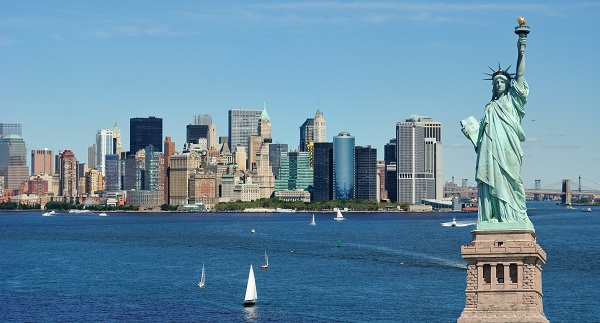
New York City USA
If you are going to lie in the sun for two weeks, you will not necessarily require the same levels of cover as someone who is thinking of bungee jumping, or white water rafting.

Similarly if you are backpacking around Australia or the Far East, you will require less cancellation cover than someone who has booked an expensive cruise.

Not all travel insurance policies are the same, so it is important that you take time to read the small print so that you know what is, and what isn’t covered by the policy you are thinking of buying. Small print is a pain, we appreciate that, but unfortunately we cannot get rid of it, but a few minutes scrutinising the cover before you buy, could save you financial hardship and worry later on.

Here are some pointers to look out for when considering buying a worldwide travel insurance policy.

  • Is the Cancellation sum insured enough to cover the pre-paid costs of your trip?
  • Does the policy include a minimum of £2m to cover emergency medical expenses and repatriation?
  • Does the policy cover your baggage if it is lost, damaged or stolen?
  • Does the policy cover the costs of emergency items of clothing if you bags are misplaced by the airline?
  • Does the policy cover you for all of the activities that you are planning to participate in during your trip?
  • Does the policy cover medical conditions?

Once you have purchased your policy you will have 14 days in which to read it through and check that it covers your particular needs – however you should also ask yourself the following:

Have I declared any pre-existing medical conditions? Have I told the insurer about any hazardous (risky) activities that I am thinking of doing?

Holidaysafe worldwide travel insurance has a range of cover options so that you can choose the level of cover you require to suit your budget. To find out more, and to check out our great prices, simply click on our Get a Quote button and then choose the type of policy you are looking for.

Our award winning travel insurance policies will give you peace of mind if you should fall ill or suffer an accident whilst on your dream trip, our doctor managed 24 hour emergency medical helpline will liaise with the hospitals and doctors abroad, and where necessary guarantee payment of your medical bills so that you do not have spend any of your own money. In addition, should it be medically necessary, they will arrange to bring to you home so that you can be treated in your local NHS hospital.

All Holidaysafe worldwide policies provide the following:

  • A call centre with highly trained staff who will always do what they can to help you=
  • Legal advice and expenses
  • Specialist and experienced claims team
  • Optional winter sports extension
  • Over 100 sports and activities covered as standard, with the option to extend your cover to include amany more
  • UK, Europe and worldwide options available
  • Discounts for families and single parent families.
  • Longstay, Backpacker and Gap Year options
  • Special rates for Cruise insurance
  • Award winning policies for older travellers

European Travel Insurance

It is surprising how many people do not feel the need to buy travel insurance when travelling to Europe. After 1st Jan 2021, we will no longer be in the European Union, meaning the EHIC card will be null and void and therefore travel insurance is more important than ever.

From 1st January 2021 rules around travel to Europe have changed, visit the Government website for up to date information on passports, EHIC, healthcare and more. We’ll update this page with more information as and when the Government release it.

Destination-Paris-France
All Holidaysafe European travel insurance policies provide the following:

  • Medical emergencies, repatriation, cancellation, personal liability, personal belongings, missed departure, departure delay, personal money, travel documents, hospital benefit and personal accident.
  • The facility of buying your Travel Insurance online – it’s quick, easy, safe and secure
  • A UK-based call centre with highly trained staff who will always do what they can to help you
  • Legal advice and expenses
  • Specialist claims team
  • Legal advice and expenses
  • Optional winter sports extension (including the cost of mountain rescue)
  • Over 100 sports and activities covered as standard
  • UK, Europe and worldwide options available
  • Great discounts for families!
  • Doctor managed emergency helpline 24 hours a day, every day of the year
  • Discounts given for couples
  • 14 day cooling off period
  • Competitive premiums
  • In many ski resorts, and popular Spanish destinations, the main hospital or clinic is often privately run, and the EHIC/GHIC is not valid.

Europe has an amazing range of destinations and activities on offer, catering to every type of traveller. Whether you want to ski in the alps, sunbathe by the Mediterranean, or wander through historic cities.

Holidaysafe European travel insurance has a range of cover options so that you can choose the level of cover you require to suit your budget. To find out more, and to check out our great prices, simply click on our Get a Quote button and then choose the type of policy you are looking for.

Advice for Travelling with Gadgets

It’s rare to leave the house these days without carrying some kind of gadget with you; whether a now ubiquitous smartphone, or gadgets with more specific uses, such as sat-navs and mp3 players. Indeed, they are now so commonplace and easy to use, that it can be easy to forget just how many you regularly use, what conditions could potentially damage them, and, most importantly, how desirable they can be to other people.

The advice on this blog will help you to make the most out of your holiday, allowing you to be sure of the maximum efficiency and safety of your gadgets while abroad. After all, the last thing you need when on holiday is to have your favourite or most expensive device stolen from you, or find yourself robbed of all of your diligently gathered holiday snaps!

Flights

While there’s not a dramatic risk of theft or damage occurring to your gadgets while in flight, there are certain restrictions and security measures that may impede the use of certain devices, or prevent their transportation completely. Different airlines may have slightly different policies, so be diligent with when you use certain gadgets during flights. In many cases activating flight mode is plenty to prevent any inflight issues; though double checking with airline staff is always the best policy.

One recent change in airport regulations now means that electronic gadgets must be kept charged, or else passengers risk having them confiscated, or being refused access to the plane itself. The criteria that airport security will judge a gadget by is whether or not they can turn it on; the thinking being that if they can’t, there’s a good chance that the device in question may instead be camouflaging a weapon or bomb. By making sure that your devices are fully charged before you leave for the airport, you ensure that they will be completing the full trip by your side.
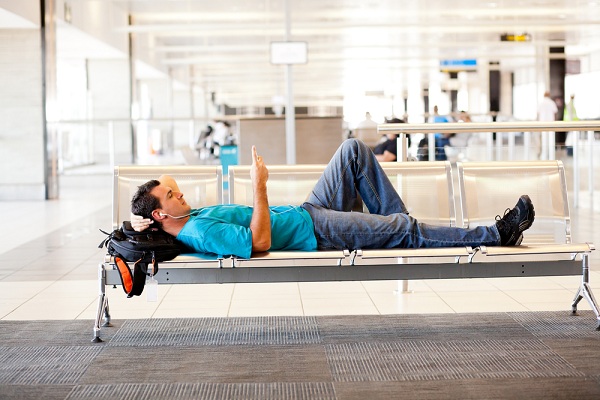
Airport

Accommodation

When it comes to keeping your gadgets safe and secure in your chosen accommodation, your most paranoid instincts are often the most effective at safeguarding your property. Avoid revealing your gadgets as much as possible, and ensure that they are stored securely in your room (in a locked safe or locker if possible) to minimise the risk of theft in your absence. This can be especially necessary when staying in youth or traveller’s hostels, as there is not only an increased likelihood of strangers sharing your room, but of there being a high turnover of other tenants; making it that much easier for your favourite gadgets to disappear if not sufficiently hidden, or used in a conservative enough manner. A little bit of common sense can make all the difference; it just isn’t worth taking chances with your expensive tech!

On a similarly paranoid note, it’s also a good idea to avoid using public Wi-Fi networks, such as the ones found in many hotels, wherever possible, as these networks are vulnerable to enterprising hackers, potentially opening up your devices to unauthorised access by third parties. There are plenty of ways to secure your devices in such situations, but if you’re not confident about such things, it may be worth avoiding public Wi-Fi networks altogether.

While we’re talking about data networks, also make sure that you’ve turned off data roaming! The last thing you want to find when you return from your trip is a ridiculously large roaming charge.
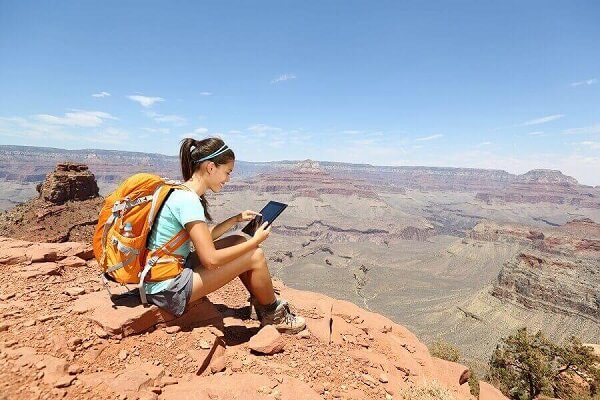
Backpacker-Grand-Canyon

Out and about

While it’s a good idea to avoid drawing too much attention to expensive devices while staying at a hotel, this advice goes double for travelling out and about in foreign climes. Tourists often make extremely easy targets for thieves and pickpockets; flashing the latest smartphone, or showing of a desirable model of mp3 player just mark you as an obvious, affluent target; which in turn may ultimately rob you of more than just the gadgets you brought with you.

The risk of mugging or theft alone makes a good case for leaving your most valuable and/or desirable gadgets at home when you travel abroad, though there are also other more practical, and environmental reasons for the restriction of gadget usage while abroad.

Extremes of temperature and humidity, for example, can play havoc with electronic gadgets, as can the egress of dirt, dust and sand; so take extra precautions when staying in areas that are likely to expose you to these kinds of conditions. Other factors that may damage or impede the usage of your devices include excess sun cream preventing easy operation, and, as obvious as it may sound operation near or in a swimming pool increases the odds of a gadget finding a premature, watery grave!

More physical holiday activities, such as skiing or snowboarding, also risk damaging your precious gadgets; the usual places that you carry them may place them in harm’s way when on piste. While carrying a smartphone in your back pocket, for easy access should the urge to take snow-based-selfies prove too powerful, may seem like a smart idea, the second you wipe out you may find yourself sitting on the shattered remains of your favourite device!
Gadget (1)

Insurance

Needless to say, while it won’t mitigate the risk of any of the above taking place, taking out the correct level of gadget travel insurancewill go a long way to offsetting any doubts you have about bringing them with you on your travels. A good policy won’t bring back a lost or damaged phone, but it will give you fast access to a replacement, and possibly further restitution.

Tips for Dealing with Heat

When most people plan their holidays, they head to hotter climates for some much needed sun. However, every year people fall victim to sun burn, heat stroke and dehydration.

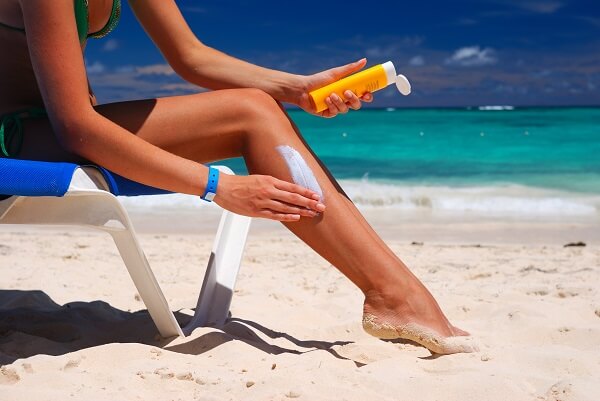
Stock-Picture-Woman-Applying-Suncream

To avoid a holiday disaster in hotter climates, here are our top tips for dealing with heat;

  • Stay hydrated; drink plenty of fluids like water and fruit juice (try to avoid caffeinated and alcoholic drinks). You can also eat cold foods like fruit and salad; these will keep you cool and hydrated.
  • Take regular breaks in the shade throughout the day, sprinkle your skin with cold water or use a damp compress to cool yourself down.
  • Use a high SPF factor of sun protection, you must use at least factor 25. Reapply every few hours and after swimming.
  • Always use a sun hat, sun glasses, and wear light, loose fitting cover ups.
  • Avoid being out at the hottest parts of the day (usually around lunch time e.g. 11am-3pm).
  • If you are driving, try to park in the shade, there is nothing worse than getting into a boiling hot car and burning yourself on your seat belt.
  • Try to avoid drinking excessive amounts of alcohol in the heat, this will only dehydrate you.
  • After being in the sun, cool your skin with a shower and then apply lots of moisturiser or after sun.
  • When leaving your accommodation, try to leave the fan on and the curtains drawn. This should reduce the heat in your room.
  • Try to avoid physical exertion, for example walking a long way in the heat, this will put you at risk of dehydration, exhaustion and sun burn.

Enjoy the heat safely!

Sex, Drugs and Alcohol

Every year, more and more teenagers and young adults are heading abroad on group holidays or backpacking adventures. We are not suggesting that these people abstain from having fun altogether (as this would be extremely naïve), but to stay safe we warn them to be sensible.

Travel-Friends-Teens-Sea-group

Follow the guidelines below, to avoid a holiday disaster;

  • Invest in quality travel insurance before you depart, just in case.
  • Visit the FCDO website before you depart, make sure you are clear on the country’s rules and customs about behaviour, alcohol and drugs– if you follow them, this should prevent you getting into any trouble.
  • Make sure you photocopy your important travel documents and passports, and store them in a different location to the originals – if a safe is available lock everything valuable in there.
  • Do not carry all your money around with you, carry a supply and lock the rest in a safe. Furthermore, be careful not to flash your money around too much, unscrupulous people will spot vulnerable tourists and you could be pickpocketed.
  • Always use a condom – this will protect against pregnancy and sexually transmitted diseases and infections. Whether you are male or female, if there is a chance you may have sex whilst abroad, always pack a good supply of condoms, just to be safe.
  • Measures are stronger abroad, so don’t assume that you can drink as much as you do in the UK; pace yourself. If you are visiting a hot country, make sure you drink plenty of water between alcoholic drinks to avoid dehydration.
  • Always carry your drink with you, to avoid it being spiked.
  • If you do get so inebriated that you hurt yourself or need medical attention, remember that your travel insurance will probably not cover you – be sensible!
  • Most travel insurers will never cover the use of drugs, whether they are legal in your holiday destination or not.
  • Always stay with the group, make sure no one is walking around alone.
  • Do not give into peer pressure, if you don’t feel comfortable doing something, then don’t do it.
  • Follow the ABTA and FCDO advice; know your limits, and do not put yourself in danger. Do not mess around near balconies, do not swim if drunk or at night, and do not jump off any rocks or peers. Use your common sense!