How to be a Responsible Tourist

In our modern day, more and more people are travelling more often, further afield and for longer durations. Therefore, these tourists must respect the places they are visiting, by following their customs and helping local people. Below are our top tips for being a responsible tourist; Read more

Travelling by Bus or Rail Abroad

Public transport is a great way to travel around abroad; it throws you head first into the culture, and allows you to see more of your destination, plus it is usually a lot cheaper than using a taxi.

Read more

Tips for Avoiding Jet Lag

Every year, more and more people are heading further afield for trips and holidays, unfortunately a long flight and the effect of entering into a new time zone will usually result in jet lag.

Jet Lag will have different effects on different people, and these can range from lethargy and grumpiness, to headaches and stomach upsets, to disorientation and diarrhoea.

Jet Lag

To help avoid and counteract jet lag, here are our top tips;

  • If your flight is particularly long, think about booking a stopover for a day or one night, this will give your body a chance to adapt mid journey.
  • A few days before your trip, you could attempt to sync your sleeping habits with the country you are planning to visit. This should reduce the effect of jet lag when you arrive.
  • When you step onto the plane, change the time on your watch to your destination time. This will give you a few more hours to adapt.
  • Try not to consume too much caffeine, sugar or alcohol before you arrive, as this will only confuse your body further. Once you arrive, small amounts of caffeine and lots of fruit will help to make you feel more alert.
  • When you arrive, make sure you sync your sleeping and waking routine as quickly as possible, if you can stay awake during the day and sleep only at night it will get easier faster.
  • It is not advisable to take medication to help you sleep; this will prevent your body from properly adjusting, and will make the effects of jet lag last longer.
  • Make sure you drink plenty of water, as this will keep your body hydrated if you become ill.
  • If you really need to take a nap during the day, only sleep for 20-30 minutes, this has been found to be the optimum ‘power nap’ time. Any longer or shorter and your body will feel worse.

If you follow these guidelines, it should reduce the effect jet lag, and help your body clock to readjust and conquer it as quickly as possible.

Driving Abroad

Driving can be a great way to get around a foreign country and avoid busy public transport. Many people choose to drive abroad as it allows them to travel and see as much as possible, and do it at their own pace. However, if you are intending to drive abroad you must be extremely careful, most countries have different rules, laws and behaviours when it comes to driving and you must be aware of these to keep safe.

Here is our advice for avoiding disaster when driving abroad;

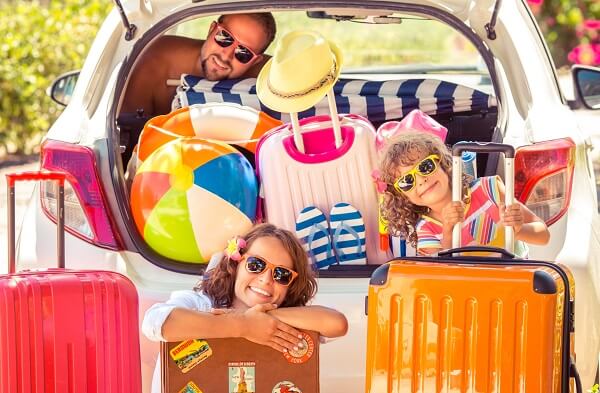
Packing-Road-Trip-Family-Travel

Before you go


  • Research the country you are travelling to before you depart. Look up websites and forums which offer advice on driving in the country, then memorise laws, speed limits and the side of the road they drive on!
  • Some countries have certain vehicle requirements which you must meet, for example in Germany you are required to use special tyres in the winter months. Make sure you can meet these requirements before you travel.
  • Check that your license allows you to drive abroad, for example if you do not have a full motorbike licence you will not be allowed to hire a Harley Davidson. Remember that in some countries you also need an International Driving Permit.
  • Check that your motor insurance covers you to drive abroad. It is definitely worth investing in breakdown cover as well – just in case. Travel insurance will not cover you for liability when driving abroad, so you must make sure your car insurance, or the car rental insurance does.
  • Remember that in some countries you are required to carry vehicle registration documentation at all times, this is not advised in the UK – check before you travel. Always carry a photocopy of your driver’s licence and insurance documents, just in case.
  • If you are using your own vehicle abroad, make sure you give it a full service before you depart. Check the lights, oil, wheels, spare wheel, water and do not forget to get petrol. It is also advisable to invest in an emergency kit, including a high visibility jacket – just in case.
  • Make sure your licence plate is fully visible and that you have a GB sticker on your car (If the information is not on the licence plate).


Hiring a vehicle


  • If you are planning to hire a vehicle during your trip, make sure you research and use reputable companies, you need to know that the cars or bikes are safe and well serviced.
  • Again check with your insurance company, make sure you are covered to drive a rented vehicle abroad, if not invest in extra cover. Check the excesses on your cover carefully, these vary depending on the insurance provider and policy, could you afford to pay the first £500 towards an accident?


During your trip


  • Always wear your seat belt! It is a law in the UK so you should be used to it. If you are travelling by motorcycle, make sure you always wear a helmet and quality protective clothing.
  • Don’t drink and drive, once again you aren’t allowed to do it in the UK so there is no need to do it abroad. Many countries have a zero tolerance to drink driving. For example, in France you are required by law to have breathalysers in your vehicle at all times, if you do not and have not tested yourself after drinking, you will face an on the spot fine.
  • Don’t use you mobile phone when driving, like the UK many countries have very strict rules about this. Invest in a decent hands free kit if you really need to talk whilst driving.
  • Drive cautiously and expect the unexpected, remember that the driving style may be extremely different to what you are used to. If you are driving a motorbike or moped be especially careful and vigilant.
  • If you are doing a lot of travelling, make sure you pull over and take regular breaks, driving whilst tired only puts yourself and other road users at risk.
  • If you are packing up the car ready for the journey, make sure you can see out of all windows and mirrors, especially the back window.
  • If you are unlucky enough to be involved in an accident, contact your insurers as soon as possible and take pictures of the damage. If the accident involves another driver, take as much detail as possible from them and take photographs.
  • Be careful, in countries such as Spain British cars and hire cars have been known to be targeted by thieves, who smash windows and snatch and grab any possessions left in the car. Travel insurance will always restrict the amount of cover you have for these items, so do not leave valuable possessions in an unattended vehicle.

Travel Safety Tips and Advice

We are normally at our most relaxed when we are on holiday or travelling, unfortunately this is usually when disaster strikes. In our tranquil state we let our guard down, and increase the risk to our possessions and personal safety. Here we have created tips and advice for keeping safe whilst abroad;

Read more

Your Holiday Disasters Solved

When travelling or holidaying abroad most of us know the basic safety precautions, however there are many more serious issues which people tend not to think about until they themselves or someone they know find themselves in a tricky position abroad. In this blog, we intend to list those issues and offer advice.

Travel delay

Know how to contact Emergency help

It may sound obvious, but many people do not think about this until they face a medical emergency. This can be especially frightening if no one around you speaks English, or understands what you need. 112 is the international number to contact emergency help, but some countries also have local numbers, which you should be aware of when you travel.

If you do face a medical emergency you should always contact your travel insurer as soon as possible, because they will be able to offer help, support and advice.

Protect your possessions

Most travel insurance claims arise from stolen, damaged or lost possessions; never leave your possessions unattended and beware of pickpockets, always keep important documents and cash locked in a safe.

If you need to carry your passport a money belt may not be the fashionable choice, but it is the best way to keep your passport and money safe while you’re out and about, wear it under your clothes to avoid notice. It is also a good idea to carry a small extra wallet or purse with change, to avoid flashing your cash. Also avoid wearing expensive jewellery, because this may attract unwanted attention.

Beware of local customs and laws

Always check local laws and customs before you travel. You could find yourself in serious trouble for something that would not be illegal or simply frowned upon in another country.

Never surrender your passport to anyone

Sometimes hostels and hospitals will ask to see or hold your passport, but always remember never to give possession of your passport to anyone. Around the world some hospitals will hold a passport until a patient has paid their medical bills, basically holding the passport to ransom and causing a lot of problems for the traveller. In your passport it actually states that it is your property, and should only be in your possession.

Remember Custom’s regulations

If you break custom’s regulations, even unknowingly, you could still find yourself in a lot of trouble. Make sure you have declared everything and anything they ask, and always check their rules before you travel.
For example, in some countries it is illegal to carry natural products such as shells, coral and some types of wood (e.g. souvenirs).

Be careful of what you eat and drink

Food poisoning and stomach upsets are really common complaints amongst travellers, so always be really careful about what you eat and drink abroad. If you do become severely unwell, alert your travel insurer and seek medical help.

Remember to adjust to new climates

Again, it may seem obvious but many people fail to properly prepare for a different climate. Especially if you’re heading somewhere hot, make sure you wear sun protection of at least factor 25, carry a sun hat, and sunglasses to protect against UV, take regular breaks in the shade and make sure you stay hydrated.

If your relatives are unwell…

Be aware that many travel insurers will not cover you to cancel your trip, or to cut it short because of a relative with a pre-existing medical condition.

Never travel against FCDO advice

Always check the FCDO website before you travel, to make sure your chosen location is safe and open for tourists. Insurers will not cover people who travel against FCDO advice.

If you get stuck on holiday

This can happen for multiple reasons, perhaps your flight has been cancelled due to adverse weather, or maybe your airline has gone bust. In either situation it falls to the airline or the aviation/travel authorities to get you home. Your travel insurer will be able to offer help and advice in this situation.

Customs Regulations

Each country has varying rules about what you are allowed to bring into their country, if you are travelling between European countries the rules are usually less strict than if you travel further afield.

Nevertheless, customs regulations can be extremely strict, and if you are caught with a banned item or substance, you could face a hefty fine, arrest and even imprisonment.

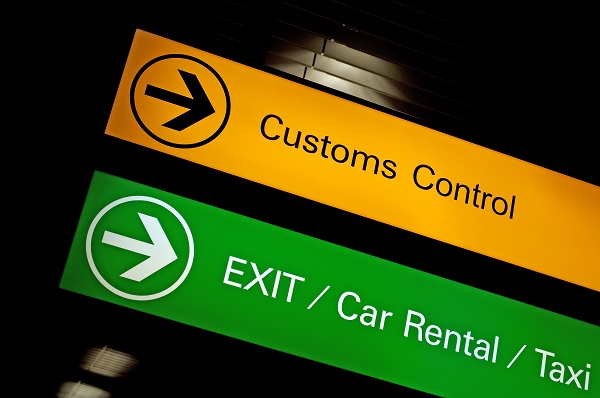
Customs control sign

Before you depart, do some research or check with the airline to make sure, but to be safe, do not travel with these items;

  • Drugs, including steroids and banned substances. If you need prescription medication, in some countries you may need to produce a prescription to prove you need it.
  • Fruit and Vegetables.
  • Meat and Fish.
  • Dairy Products.
  • Natural products such as shells, coral and some types of wood.
  • Plants and plant products.
  • Animals.
  • Weapons.
  • Obscene Materials.
  • Large sums of cash – without declaring it.
  • Large amounts of cigarettes, alcohol and gifts – without declaring them.

Airport Guide

The airport usually marks the beginning, and end of any trip – unfortunately these parts tend to be the most stressful and annoying.

Airport delays are getting longer, and their prices are getting more expensive, meaning that the dreaded airport experience is only set to get worse. Below are our top tips for surviving the airport;
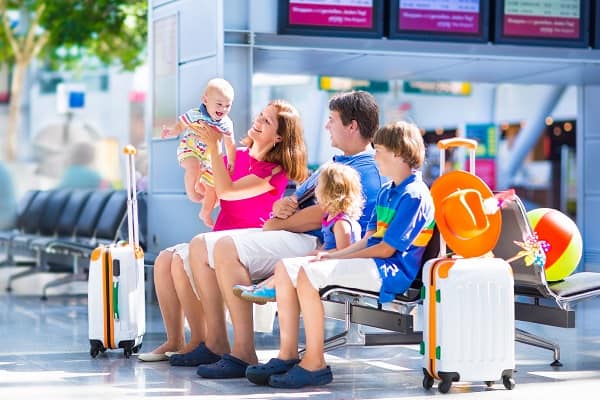
Family at airport

Luggage

Luggage raises the most uncertainty among passengers, and also causes delays, fines and upset. What is allowed is hand luggage? What weight allowance is allowed? How do I transport valuables safely? How can I make sure my luggage arrives safely at my destination?

1) You should not pack anything into your hand luggage which could cause harm or alarm to fellow passengers, for example; razor blades, knives and pen knives, scissors, needles, bats, cutlery, toy or fake guns. Liquids over 100ml are also not allowed. Check your airport’s or airline’s website for more information.

2) Weight and size restrictions can be found on the airline’s website, and are usually displayed when you are booking the flight. Weight your luggage on your scales before you leave for the airport, to avoid any nasty fines.

3) Laptops should always be carried in your hand luggage – never put them in your case. It doesn’t matter how much padding you put in, they are extremely likely to be damaged. Always leave valuables at home if possible, but if you must bring them, keep them with you at all times.

4) Always padlock your case, and put a label with your contact details on the outside, and a duplicate copy in the pocket of your suitcase (in case the outer one falls off). Many cases look the same, so put something distinguishing on yours to stop someone else picking it up by accident – tying a colorful scarf or tie around the handle is always a good idea.

Check in Online

Most airlines now offer the option to check in online, if you can, doing this before you arrive at the airport could save you some time. All you will need to do is drop off your bags at the appropriate desk.

Timing

Most airlines open check in desks two hours before the set departure time of the flight, so to be safe, always aim to get to the airport two hours before your flight is due to leave. Although this does mean you could be sitting around for a while, it also gives you a cushion if you get stuck in unexpected traffic, or forget something. Airlines will usually be unsympathetic if you are late; it is your job to get there on time.

Parking

Parking at the airport can be extremely expensive, look up deals on the internet or research alternative modes of transport, for example a taxi or the train.

Security checks – be prepared!

Security always seems to be the slowest part of the journey through the airport. You can speed up the process by being prepared. Make sure you remove your belt, the contents of your pockets, and your laptop from your bag, and then place everything in the trays provided.

Remember that any liquids must be removed from your hand luggage, put in a transparent bag (available at security) and put in the tray.

Pay attention, if they ask you to remove your shoes, or walk through the scanner again, make sure you do so quickly. Collect your possessions and go to the designated area provided to put everything back.

Delays

Unfortunately, if your flight is delayed, there is not much you can do;

1) Ask a member of staff if they can give you any further information
2) keep an eye on the departures screen
3) Keep calm
That is about it. If your flight is delayed, why not pamper yourself and invest in a one day pass to the departures lounge? You will get comfortable seating, peace and quiet, snacks, newspapers and the lounge assistants will update you about the status of your flight.

Don’t be too distracted by duty free

Keep checking the departures screen and listening for announcements, otherwise you could delay the flight.

Missing Luggage

If your luggage does go missing, alert airport staff and they will direct you to a desk to lodge the loss. Then call your travel insurance company, and they can advise you on what to do next.

Further Transport

Make sure you have planned transport from the airport to your accommodation. For example if the hotel are sending transport to pick you up, where are you meeting them? Do you need to show them anything? If you plan to travel by taxi, make sure you have currency ready.

Have a great trip!

Packing Tips

Packing can be one of the most stressful parts of going away; finding the balance between packing too much and not enough is very difficult.

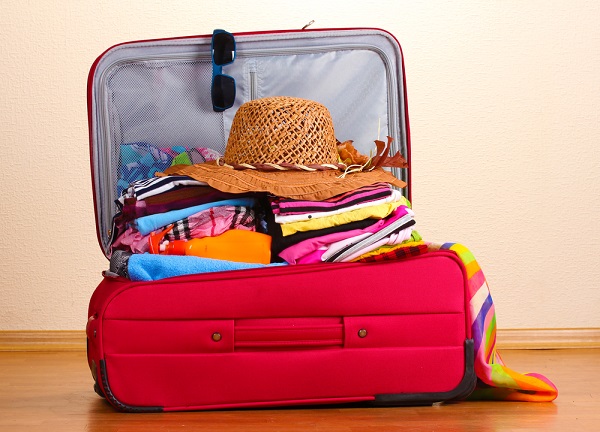
Suit-Case2

Here are our top 10 useful tips to stress free and successful packing:

1. Forget everything you knew about packing, do not fold your clothes, roll them to reduce space and prevent creasing.

2. Remember that airlines have size and weight restrictions on hand and hold luggage, check and weigh your luggage before you leave home to avoid expensive fines.

3. Remember that you cannot pack these items in your hand luggage;

  • Anything which could cause harm to fellow passengers, for example; razor blades, knives and pen knives, scissors, needles, bats and pool cues, cutlery etc.
  • Toy or fake guns as they could cause alarm.
  • Liquids over 100ml.

4. Decide what you actually need and what you could live without, put outfits together before you leave, with accessories and shoes etc. Not only will this save space it will also save you the stress of having nothing to wear despite the suitcase full of clothes.

5. Mix and match your clothes, a maxi dress looks great on the beach and for a night out.

6. Always carry a change of clothes and any vital possessions (as long as they are allowed, see point three) in your hand luggage. Not only will this save space it will also cushion the misery if your case goes missing.

7. Wear your bulkiest things on the plane, this may sound silly but it will save you lots of room and bulky coats make great pillows for the journey.

8. Don’t pack things that are dry clean only, or things that will need loads of ironing, it’s just not worth it. Pack suitable clothing and ALWAYS remember to pack comfortable shoes.

9. Always leave room in your case, no matter how hard you try; you may come home with souvenirs and purchases, and you need to fit these in your case to get them home.

10. Think outside the box;

  • Instead of buying massive bottles of shampoo, find some small water tight containers to transport products in your case; it is cheaper than buying them abroad.
  • Don’t buy massive guide books and maps, get the information you need from the internet and print it off or store it on your phone

The final rule for successful packing is to remember to pack your important documents, for example your travel insurance documents in your hand luggage.

For more tips, check out our handy Packing Guide Video

Guide to Avoiding Huge Mobile Phone Bills Abroad

There is nothing worse than returning from a wonderful holiday to immediate stress and panic. No one wants massive bills simply for using their phone in another country, but it is important that you are aware of how you can prevent these bills.

Gadget

This is our guide to avoiding huge phone bills whilst abroad;

  1. First and foremost, if you are travelling abroad, turn off data roaming on your phone. This should prevent your phone from downloading things in the background and racking up enormous bills.
  2. If you frequently visit the same country, it could be worth investing in a local pay-as-you-go SIM card for your phone, that way you will pay local prices and should avoid horrendous bills.
  3. To avoid any nasty surprises, contact your network and check how much they charge for roaming in your chosen destination, especially if you exceed your limit. Some companies enforce a cut off limit when you reach your internet limit abroad – you need to check if your company does this, and again if they do it in your destination (sometimes it is only in Europe).
  4. Try to find free local Wi-Fi whilst abroad, as opposed to using your mobile network. If unsure, check how you can do this before you depart.
  5. You are charged for receiving calls, voicemails and texts as well as making them. Let your friends and family know that you will be away, and not to contact you unless it is an emergency. You can also contact your network and disable your voicemail service while you are away.
  6. If your phone is stolen abroad, contact the Police, your travel insurance and your network immediately to report the theft and to stop your credit being used.The EU is trying to cut down on these charges, so hopefully this shouldn’t be a big issue in the future. However, the tips above are good practice to save you some money and stress, plus it’s always nice to ignore your phone whilst on holiday. Good luck!