How to combat Sea Sickness

Sea sickness or motion sickness is caused by the motion of a car, plane or boat which changes the balance in our inner ear, and causes sickness, dizziness and sweating. Coping with motion sickness on a cruise holiday is horrible, how can you possibly enjoy yourself when every wave makes you feel nauseous.

Read more

Guide to Day Trips

Day trips are a big part of what makes cruising so special, what could be better than floating over crystal clear seas and arriving at a range of different and beautiful locations.

However, it is extremely important that you follow these simple tips below, to avoid holiday disaster during a shore excursion;

Read more

Top 10 Cruise Destinations

Picking a cruise holiday can be difficult; there are so many destinations and companies available that the choice can seem overwhelming. To help you choose, we have compiled a list of our favourite cruising destinations;

Read more

Cruise Ship Travel Advice

A cruise holiday is a great way to travel, explore, have fun and unwind, however it is extremely different to other types of holidays. Here are our top tips for avoiding a holiday disaster whilst cruising…

Read more

How to Save Money on a Family Ski Trip

Taking the family skiing isn’t the cheapest holiday option around, but that doesn’t mean it has to cost the Earth. Skiing is a wonderful skill to learn, and the kids will have loads of fun gliding across the snow. If you do have a limited budget, though, how do you keep the costs down without spoiling the fun?

Here are our money-saving tips for that next family ski trip.

Winter-Ski-family

Choose your travel dates carefully

Before you even start looking at which resorts are best for you, you’ll need to decide when you want to go skiing. It goes without saying that you shouldn’t travel during the peak seasons, if you can help it. This includes Christmas, New Year, half term and the Easter holidays. Remember that the country you’re travelling to will have its own busy periods, so check when the schools over there break up before booking.

So when are the best times to go? December (before Christmas), January (after New Year) and early March are probably the most affordable times to go skiing. Flying during the week could also save you a lot of cash on plane tickets.

Book in advance for the best deals

There aren’t as many last-minute deals around as there used to be, especially when it comes to skiing. Instead, you’re much better off booking your holiday in advance, as it means you can travel when you want.

In fact, if you have the opportunity to do so, book as much as you can in advance, as you’ll likely receive discounts for doing so. This could include your lift passes, skiing equipment, additional excursions, etc.

Consider all the costs involved

Finding the most cost-effective ski holiday isn’t as simple as just picking the cheapest flights and accommodation you can. You will also need to look into the cost of lift passes, ski schools, food and drinks, entertainment, airport transfers/public transport and gear hire at each resort.

There are several great budget resorts to choose from in Europe though – consider travelling to countries such as Bulgaria and Slovenia instead of expensive Switzerland to save some cash. Many of the resorts here are just as good, if not better, than the more expensive ones! If you do want to go to a popular resort, remember that the lift passes will likely cost twice as much as they would at a budget one. Even food and drink is bound to be more expensive.

Save money by self-catering

Catered hotel accommodation may seem an attractive option, especially when you have little ones, but it tends to be a lot pricier than the alternative – a self-catered apartment. This type of accommodation gives you the facilities to make your own breakfast and packed lunches, which will save you lots of money on expensive meals out. You will find plenty of picnic spots in which to eat your lunch, which is good because those mountain-side restaurants aren’t cheap!

When buying food for breakfast and lunch, be careful not to buy from any small local stores, as these will be expensive. Look out for the larger chains instead.

Package holidays may not always be the cheapest option

Package holidays offer convenience, which is why they’re so popular with families. However, this convenience can come at a cost – you could stand to save a lot of money if you book your accommodation and flights separately.

Whatever you decide to do, make use of all those comparison sites out there; you should never purchase the first deal you see (unless it’s amazing!). It’s best to book your accommodation as early as possible, but flights fluctuate in price all the time. Try using a site such as Airfarewatchdog.com to monitor flight costs – if you want to spend under a particular amount, you can set up email alerts so you’ll be notified when prices have dropped below your specified threshold.

Be aware that many holiday websites track your cookies and therefore know how many times you’ve looked at particular flights. This can cause prices to rise, so always delete your cookies before heading back to the site, or just browse for holidays in incognito mode. You can do this by selecting the ‘incognito window’ option in your web browser.

Hire skis, buy clothes

Unless you’re planning on skiing often, there’s little point in purchasing you own skis, especially when you consider how fast your kids will grow out of theirs! Plus, you will likely have to pay additional baggage charges for taking skis with you on your flight. With several suitcases and bags to worry about, you don’t want to have to carry skis around with you too!

Hiring the heavier ski gear you’ll all need, such as skis, poles, boots and helmets, is a much more cost-effective option. The things you won’t want to hire are your salopettes, ski jacket, gloves, goggles and any other clothes you may need. It’s actually cheaper to buy these, or borrow them from a friend! You may already have a jacket suitable for skiing in, and salopettes can often be found for discount prices in outdoors stores. Decent gloves and a pair of goggles won’t cost you much either.

Just don’t forget any other extras you’ll need, such as sunscreen and ski socks. If you wait until you arrive to buy them, you’ll likely end up paying premium prices!

Look out for ‘kids ski for free’ deals

Many resorts will allow children under a certain age to ski for free, so before buying everyone their own ski pass, check there aren’t any deals on beforehand. At some resorts, you may need to stay with your child in order to get them free access to the slopes, which isn’t suitable if they’re attending ski school, so make sure you read the terms and conditions.

You don’t have to ski every day!

It may be a skiing holiday, but that doesn’t mean you all have to hit the slopes every day. After all, skiing is a tiring activity that relies on muscles you simply aren’t used to using. Families with young children in particular may need a break from the mountain. Some parents save money by buying just one adult and one child lift pass, so that they can ‘tag out’ each day. However, this means you won’t be able to enjoy skiing together, plus this method only really works if you have just two children.

Purchasing shorter ski lift passes is a better way to save money, and it means you can explore more of wherever you are. Why not take a day trip to the nearest town or simply spend a day hanging out in a warm swimming pool? You could also build snowmen, go sledging or stage a snowball fight – whatever keeps your kids entertained and lets you repair those aching muscles!

Travel with another family

Staying with a larger group can really cut down the costs of everything, as you’re essentially buying/renting everything in bulk! Travelling with another family you are close to, or even members of your extended family, can not only save you money, it makes for a great holiday.

Travelling with friends may mean the kids have others of their own age to play and ski with, while the adults get to enjoy grown-up conversations in the evenings together. Staying with extended family is a good way to help your children bond with their aunts, uncles, grandparents, etc. You’ll create memories for life!

Don’t forget the insurance

It’s easy to forget that skiing can be a dangerous sport, so taking precautions is vital for your family’s own safety. If something were the go wrong, the medical bill could be incredibly expensive – travel insurance that covers you completely will give you peace of mind. All your gear is covered too, so you don’t need to worry if little Timmy somehow loses his right ski, whether you’ve chosen to rent or buy.

Skiing isn’t just for the rich – it’s more accessible than ever, even if you’re on a budget. Just like with any holiday, you need to do your research to find the best deals, but all the effort is worth it. You’ll learn something new, travel somewhere you may not have visited otherwise and of, course, have tons of fun.

Our winter sports travel advice section has lots of advice for families looking to go on their first skiing holiday, including how to keep children safe on the slopes, tips for first-time skiers and how to choose the right holiday insurance.

Top Family Ski Holidays for Beginners

Learning to ski is great fun and easy to do no matter how old or young you may be. That’s why skiing holidays are so popular with families – they’re a fantastic experience for everyone involved! However, with so many resorts to choose from, it can be difficult to choose the one that’s going to be most suitable for your family.

That’s why we’ve compiled this list of the best family ski resorts for beginners. The hard part is choosing which one to visit first! We’ll leave that decision up to you.

Read more

The Fussy Eaters Guide to Food Abroad

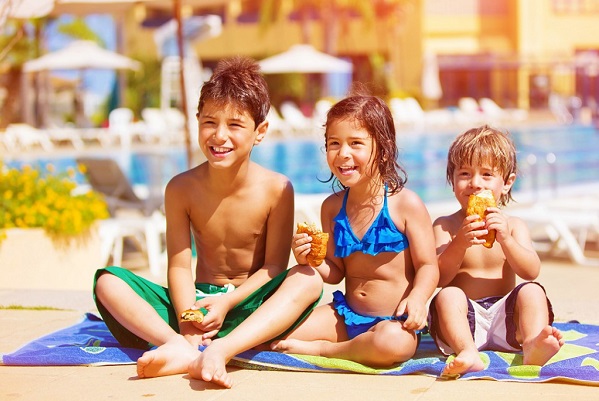
The thought of foreign cuisine can fill your heart with dread if you or your children are particularly fussy eaters. Unfamiliar dishes and new surroundings can become overwhelming for some, but this shouldn’t have to put a damper on your holiday.

Family-Poolside

Variety is the spice of life

The choice of food available will obviously vary dramatically depending on the country you are in, and while your appetite shouldn’t hold you back from seeing everything the world has to offer, you may wish to consider a destination based on the food available.

For example, if you have a very low tolerance for spicy food, you may wish to be careful when travelling through India as different regions will vary in spices used, with the South generally producing hotter food than the north.

If your children are reluctant to try a particular dish, do not pressure them as this can put them off for good. Most places will offer some form of western dish, while it is a shame to travel half way around the world to eat the same food you would back at home, it may be a way to ease them into trying something new.

Baby steps

If your children are struggling to adapt to the local cuisine then be patient and adapt their meals so they are more familiar to what they are used too. Introducing small changes in meals while keeping some familiar favourites will help bridge that gap for them.

Be careful not to give them something which is overloaded with flavour or spice as the shock may make them close up to trying new things.

Depending on the age of your children you may want to motivate them into trying new things with making meal times fun, allow them to choose their own dishes (with your expert guidance) or vote on which restaurant to visit as a family. This will keep things exciting and hopefully distract them from the anxiety of trying new things.

Choose local

For some, the fear of trying new food simply stems from the fear of getting sick while abroad. Tales of sickness from eating “local” food have attributed to this general fear.

The truth is, when travelling to certain countries (specifically in Asia) you are much more likely to get sick whilst eating the local attempt of westernised cuisine than actually indulging in the local food. With the exception of the local water (which should be substituted for bottled water).

Local food is usually much fresher and better prepared than any western dish you may be tempted to order.

The best general advice is to look for the places where the locals are eating and follow suit. This will generally give you a good indication of the best places to eat.

Many countries are famous for their national dishes and where better to try an authentic dish, than the country it originated from.

Often the foreign dishes we have available in the UK are a far cry from the true representation of the dish. An open mind and an empty stomach are the best companions you can have when travelling anywhere if you are looking for a new tasty experience.

Travelling with children

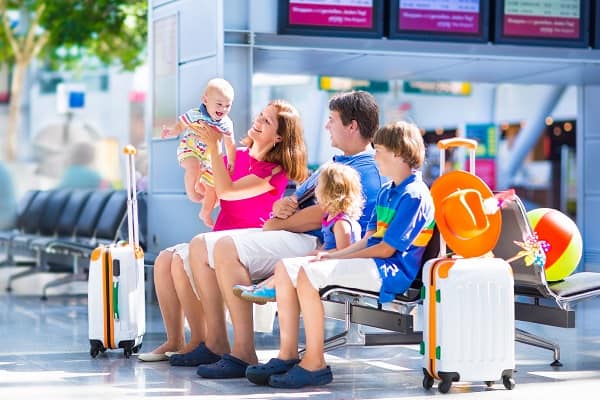
Going on holiday should be a time of relaxation, however when travelling with young children, everything can become more stressful. Here are our top tips for travelling with children;

Family at airport

Children’s passports

Since 1998 children can no longer be added to their parent’s passports, they need their own to travel abroad. Anyone under 16 needs a child passport to travel abroad; after 16 they can apply for an adult passport. Remember that a child passport is only valid for five years – make sure your children’s passports have not expired, and if they have, leave yourself plenty of time to renew it before travel. You can find more information here.

How to keep them amused

The hardest part of travelling with children is keeping them amused, happy and well behaved during travel. Every child is different, and they will react to this new and stressed situation in different ways. Create a happy environment and in your hand luggage, pack some favourite soft toys, and plan some games. A pack of playing cards can be a simple but great way to amuse kids, teach them some games and play them on the flight when they need to sit still. Story books, portable DVD players and narrative CDs are also a great way to keep them amused.

Toys

It can be extremely tempting to let children bring a bag full of their favourite toys, to keep them amused throughout the holiday. However, you have to be careful as these toys could cause delays at security (as they may want to go through the bag,) and could even be confiscated. Toy guns and anything which could cause hurt or alarm to other passengers will not be allowed. Also, make sure that you or your child will be able to lug a bag full of toys around the airport all day, travelling is tiring enough!

Food

Many people forget to plan meals when travelling; all the other planning involved seems to take over. However it is important that you pack some snacks for your kids, something easy and healthy and maybe a treat if they are behaving well. You can’t be sure that they will like the food at the airport or on the plane, plus it can be very expensive, and if they get hungry they could become difficult.

Sleep

On long haul flights, everyone needs to sleep to avoid a terrible journey, natural sleep aids are a great back up plan if your child cannot fall asleep in the strange environment. You could also try packing a blow up travel pillow and a familiar blanket or throw to help make them comfortable.

Unfortunately, there is no magic answer to this issue, as every child and family is different. However if you prepare beforehand by getting your kids excited about travelling, by carefully packing things to keep them amused, by packing snacks and natural sleep aids – you should find that the experience isn’t that bad. Happy travels!

Travel Advice for Pregnant Women

Going on holiday is an enjoyable experience that many people look forward to; however, when you’re pregnant rules and regulations can present nasty surprises if you haven’t done your research. There may be restrictions on when and where you can travel, as well as certain conditions applied to you.

beautiful pregnant woman standing on the beach

Restrictions

Before you even book your holiday, you need to find out if there will be any restrictions imposed if you travel when pregnant. For example, some airlines will let you fly anywhere at any point in your pregnancy, whereas others have slightly stricter rules. Most airlines will allow you to fly up to 36 weeks (if you and the baby are healthy), however if you’re carrying multiple babies this is usually reduced to 32 weeks, and if you’ve had problems with previous pregnancies this could be reduced further. Similarly, cruise ships may stop pregnant women travelling at the later stages of pregnancy, particularly in the last couple of weeks.

Airlines may allow you to fly up to 36 weeks, but after 27 weeks they will usually require a letter from your doctor or midwife. This letter will have to state your due date and whether you are safe to fly, as well as highlight that the chance of you going into labour mid-flight is unlikely.

When it comes to travel insurance, you need to be aware that companies may have different rules about pregnancy and travel. Pregnancy is not an ‘illness’, it is a natural and wonderful experience for any woman, however travelling later in pregnancy can put you and your child at a greater risk of medical complications, therefore most insurers will limit cover for travel after a certain point (just like an airline). Furthermore, although you shouldn’t need to declare your pregnancy to your insurer, you will need to declare any issues linked to your pregnancy, for example if you have high blood pressure.

Personal Choice

It’s worth bearing in mind that your feelings on travelling may change as your pregnancy progresses. A trip that you planned when you were only eight weeks pregnant may not seem quite as appealing once you reach 28 weeks. As your bump grows larger, you may find some things are uncomfortable and the familiarity of home could seem like a nicer option. During the first few weeks of pregnancy, you may experience various unpleasant symptoms including nausea and sickness. This also tends to put some women off of travelling or embarking on long journeys.

During the earlier days of your pregnancy, most insurers and travel operators are more than happy to allow you to travel almost anywhere. If you’re planning a trip to a far-flung destination, however, you may have to consider inoculations, and some of these are not recommended or even suitable during pregnancy, so give this careful consideration before you travel. You will also need to consult a doctor to find out what is safe for you to take, for example anything from malaria medication to travel sickness tablets could be unsafe for pregnant women.

When you do book a trip anywhere, be sure to do lots of research and read through every detail of the policy to ensure that you are covered for everything you need. If anything changes between booking your trip and actually going on it, inform your insurer and holiday operator. Listen to your body throughout your pregnancy as this can often give you the best indications when it comes to making decisions about travelling.

For more information on quality pregnancy travel insurance, visit our dedicated pregnancy page or if you would like further help with travelling while pregnant, please read our complete pregnancy travel guide here.

Safe travels!

Top 10 Family Destinations

Booking a family holiday can be difficult; you might want to kick back and relax, but your kids will want to go somewhere they can have fun. There’s a huge range of destinations to choose from, so to help you make a decision, here’s ten of the best places to go on a family holiday.

Read more