Internships

Participating in an internship abroad can be an amazing way to travel, add to your CV, gain experience and make sure you stand out in any job interview.

Stock-Picture-Internship

Many graduates are turning to this option to gain experience the UK job market just isn’t offering at the moment. Working abroad is a great way to explore a career path, to gain experience in how other countries and cultures operate, and most importantly an opportunity to learn.

Internships are usually a humbling experience where you truly learn whether a certain career path is for you, if not you can simply walk away and try something else. Doing this abroad also gives you the chance to travel somewhere different and truly step outside your comfort zone.

Not only will you gain a wealth of experience but it will also impress in any job interview, because it becomes so much more than a bullet point on your CV, it is a great talking point and portrays bravery, experience and passion.

Decide on the career path you want to explore and then research the type of internships available, you could travel to Europe or further afield, it completely depends on what is available and how adventurous you are feeling.

Working Abroad

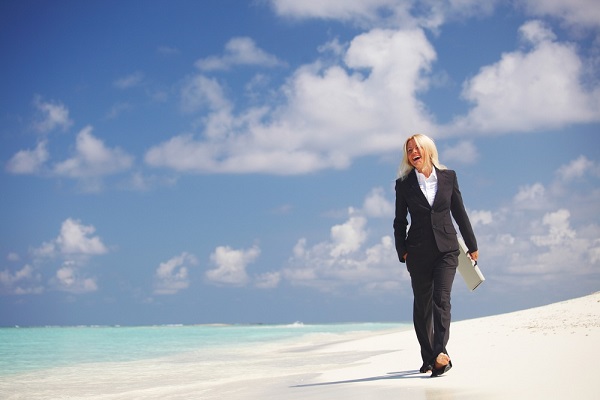
Working abroad is an amazing way to enhance your CV, experience different cultures, test a career path, or simply pay for the next plane ticket. Once you have decided what you want to get out of your experience, there are a wealth of projects and websites online dedicated to matching you with a job abroad.

Business-Woman-Beach1

  • Volunteering for a charity project – this can be an amazing way to give something back to a less fortunate community, plus it will really set you apart on any CV or job application. There are worthy charity project throughout the world, you just need decide which is closest to your heart or the most interesting, for example you could help with wildlife conservation, help the homeless or build schools.
  • Teaching – teaching abroad is great for anyone who is thinking about becoming a teacher, is good at languages or enjoys a different culture. As a teacher working abroad you will be thrown head first into a different culture, it is a great way to teach as you learn, master the language and give something back. You could teach English or even coach a sports team.
  • Working abroad/Internships – again this is a great way to ‘test the water’ of a chosen career path, or to add to your CV. More and more graduates are turning to this option because of the UK job market. If the company has a UK office you could even ask for a transfer if you decide to go home.

It is important to remember that any travelling experience will come with certain drawbacks or down points which you need to be prepared for. You will at some point feel home sick, probably because of massive culture shock, and you need to accept this and move past it.

Working abroad can also present its own problems, you need to make enough time for yourself to relax and explore, don’t attempt to work every second to fill your time – to get everything you possibly can out of the experience you need to be able to tick everything off on your to do list.

On a final point, always make sure that your travel insurance covers you to work abroad. For more information check out the links below;

Vaccinations Guide

When planning a trip abroad, it is important that you research the destination you are intending to visit, to check whether you need vaccinations or preventative medicines before you travel.

Read more

Medicare

Australia is an extremely popular destination with backpacker and longstay travellers alike, however journeys like this are expensive, and it is important that you save your money for the things you really want to do, rather than wasting it on expensive medical bills.

Medicare

If you’re travelling to Australia, it is important that you enrol in their Medicare programme, just in case you need medical attention abroad. To help anyone planning a trip to Australia, please see our frequently asked Medicare questions below;

What is Medicare, and why do I need it?

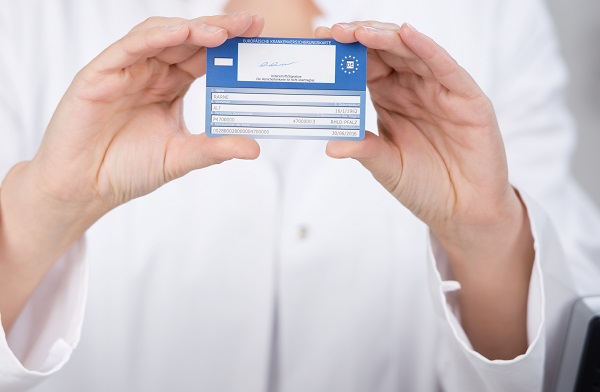
With Medicare you receive a personalised card which gets you discounted or free public health care and medicines in state Australian hospitals – hence why it is so important. It should ensure that you receive medical treatment similar to the NHS in the UK; however you may still need to pay towards some medications and treatments. If you do need medical treatment during your time in Australia, always head for a state clinic or hospital, to avoid paying fees at private hospitals.

Who is eligible for Medicare?

Australia has Reciprocal Health Care Agreements with several countries around the world, including the UK, which means that any Brits travelling to Australia can apply for Medicare and receive essential medical treatments.

Why do I need travel insurance if I have Medicare?

It is important to remember that, just like the EHIC was, Medicare is not meant to be a replacement for travel insurance. Medicare is there to make sure you receive the medical treatment you need in state facilities, without having to pay extortionate fees. However, Medicare will not be able to assist if your baggage is damaged or stolen, or if you need to be repatriated to the UK. You must invest in quality travel insurance to make sure you are fully covered in Australia.

I take medication, should I just fill my prescriptions in Australia?

We would always suggest that you take a good supply of your prescription medication abroad with you, just to make sure you have enough for your time away, and in case you cannot obtain your medication in your destination.

However, it is important to remember that Australia has strict customs regulations about what can and can’t be brought into the country, and some prescription medications are on this list. Always check customs regulations, as well as local laws before you travel, just to make sure you don’t face any issues before your holiday has even begun!

How can I get a Medicare card?

To enrol in Medicare you will need your passport and a valid visa. You can apply by visiting Humanservices.gov.au and downloading an enrolment form. Alternatively, you can apply by visiting a Medicare office (there are hundreds all over Australia) up to 10 days after you arrive, to register for the programme.

Additionally, you can find out more about the cover that we offer by taking a look at our cover levels and benefits of travel insurance.

Top Money Saving Tips for Backpackers

Planning a gap year or backpacking adventure can become expensive, so it is important that you settle on a realistic budget and get all your money matters organised before you depart.

Stock-Picture-Piggy-Bank

Here are our top tips to save travellers money;

  • Before you leave, shop around! You need to be a savvy consumer, use the internet, high street or travel agents to shop around for the best value flights, accommodation, currency exchange rates, travel insurance, gear and essentials. You might save a lot of money, or you may only save pennies, but every little helps and it quickly adds up to a decent saving.
  • Make sure you have a decent amount of spending money; you should split this between pre-paid cards or travellers cheques and cash. Do not carry tons of cash around with you, what will you do if all your money is stolen or lost? Pre-paid cards, on the other hand, can be immediately cancelled if lost. Also be careful how often you withdraw money abroad, as this can generate massive charges.
  • Look at exchange rates before you leave. It is easy to go to another country and have no idea whether something is cheap or expensive, but if you understand the value compared to the pound you are more likely to be a smart spender abroad.
  • Don’t be afraid to haggle, if you don’t ask you don’t get! Some companies are willing to give you small discounts, but only if you ask, there is always something they can do to give you a better price – the worst they can do is say no!
  • Research sales, discount codes and see if there are any discount cards you can invest in, for example international student cards or rail cards will get you discounts worldwide.
  • Research and plan a realistic budget; if you don’t have a lot of money to spend, then you need to visit less expensive countries. Places like Ibiza are always going to be a lot more expensive than a country like Thailand.
  • Watch your spending abroad. In some countries, like Thailand, the British pound stretches a very long way, so you may be tempted to splurge on luxuries, but just remember that the bills will soon mount up.
  • You can save money by shopping at markets and supermarkets and cooking your own food, instead of going out. Try not to splurge on luxuries; if you can live without something then it is not necessary. Save your money for the things you really want to do, for example day trips, activities and the occasional night out.
  • Travelling in groups rather than individually may get you more discounts, look out for group discounts and split all bills.
  • Make sure you have all the correct paperwork and that you have invested in quality travel insurance. Without the correct paper work (i.e. valid passport, visa etc.) you may be refused entry to the country. Travel insurance will protect you against massive bills if you need medical treatment abroad, or if your vital possessions or travel documents become lost or damaged. By being organised and making sure you have the correct paper work in place before you travel, you might save yourself a small fortune.

Insurance Options for Gap Year Backpackers

If you’re planning to take a gap year, you might have a variety of different things planned. If you want to go travelling, you’ll need to ensure you have the right travel insurance policy and this will vary based on what you have planned for your trip. The places you visit, the length of time you’ll be away for and the activities you’ll be doing will all influence your travel insurance policy.

Destinations

If you are planning to travel to countries within the EU, you may find that you can purchase a different travel insurance policy to if you are going further afield. British citizens pretty much have a free rein when travelling to most countries within Europe, so there isn’t really an issue with getting visas or special access beforehand.

Travelling to the rest of the world will often involve taking out a separate or extended policy and you are also likely to need visas to get into any other country. Make yourself aware of the entry requirements beforehand and ensure you fulfil them all. If you do have to claim on your insurance for any reason, you know that you will have already met all the criteria.

Time away

The amount of time you plan to spend away can also affect your travel insurance. Some people go on holiday for a couple of weeks, while others travel around or stay away for a couple of months instead. Of course, some people will take a full year or more and travel to different destinations all over the world, spending varying amounts of time in each country.

If you are going to be away for a long amount of time, you are probably going to need a different type of travel insurance, particularly if you plan on working abroad as well. If you haven’t made any solid plans about how long you’re going to be away for, try to make an educated guess and then ensure you can extend the policy if necessary. Ensure that your policy will cover you for as long as you need, otherwise you might be hit with an unexpected bill if it runs out.

If you do decide to work abroad, you may find that you need to apply for a different type of visa as well as insurance that covers you for work and not just tourism. Many people make their minds up before they leave as to whether they want to work or not so try to decide beforehand; it will make your life much easier in the long run.

Activities when you’re Away

Some insurance policies only cover you for basic activities and do not include more unusual plans, so think about what you are going to be getting up to when you are away. You might think that you have no intention of going bungee jumping when you’re away but you might change your mind when you get there. It’s better to be over-covered than not have the right sort of policy.

There are things like riding a motorcycle that you might not think anything of when you’re in the UK but the rules are different abroad. Although there may be no legal requirement for you to wear safety clothing in your destination, your insurance may have rules in place to ensure you are being safe, or they may not cover this activity at all. It might seem like an ordinary, low-risk activity to you but double check that your insurer feels the same way about it.

You may be able to add things onto your insurance policy when you are away but this isn’t always possible so make sure you read through all the terms and conditions first to ensure that you can do this if necessary. If not, you might be better off going for a package that includes as many things as possible so that you are covered in advance.

Common Backpacker Insurance Claims

Nobody wants to have to claim on their insurance when they’re travelling but sadly, not everyone is that lucky. Some claims come up frequently, particularly for backpackers, so what are the ones to be aware of?
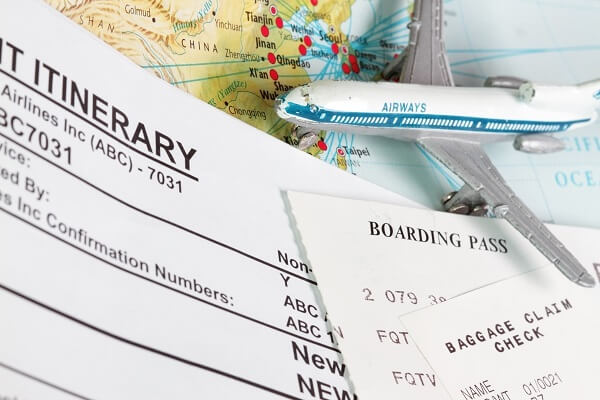
Flatlay-Boarding-Pass-Aeroplane

Medical Bills

The majority of travel insurance claims for backpackers are for medical expenses. It makes sense that if you do have to claim, it’s going to be for medical expenses because these can reach sky high prices. While we have the NHS here in the UK, the same systems are not in place abroad, with many countries only offering private healthcare.

If you do have some sort of injury or need any kind of medical attention, you can quickly find that the bills spiral out of control. Your travel insurance will cover the cost of medication, a stay in hospital and various other expenses. Bear in mind that when you go travelling, you are more likely to take risks and do more adventurous activities, so it’s essential that your insurance covers all the things you’ll be doing when you’re away.

Personal Effects

When you go travelling, you won’t be taking your huge backpack with you wherever you go. If you’re staying in a hostel for a few days, you’ll leave your big pack in a locker of some sort and take a smaller bag out with you for the day. There is a risk of having your belongings stolen when you leave them at the hostel, or even of you losing them when you are out and about.

Some things are easy to get by without; if you lose your towel, you can get another one relatively easily. However, if you lose your money or an electrical device like your tablet or mobile phone, it’s not only more of a financial hit, but can also make your trip much harder. Knowing that, you would be foolish not to get full cover for your belongings before you travel.

Unexpected Events

Some countries are deemed to be more dangerous than others, particularly for tourists who are just visiting. With a number of uprisings having taken place in various countries in recent years, the number of potentially dangerous places is on the rise. While you may have planned to go to one particular country, you may find that there has been some sort of unrest there, causing you to avoid travelling. Most travel insurance policies will not cover you if you are travelling against the advice of the Foreign, Commonwealth & Development Office (FCDO), so always check their website for up to date travel information about your destination before booking your trip to avoid voiding your insurance.

Travel Issues

There are plenty of tales of people who have been waiting for a bus to the airport and it just simply hasn’t shown up. This could result in you missing your flight, potentially costing you a lot of money. You’ll have to re-book or be on standby for the next one, which won’t be fun and wastes time.

There may also be other incidents that cause you to change your travel plans; perhaps you may be injured and have to rest up for a few days. If you do have to cancel or seek alternative travel arrangements, you can reclaim the cost on your travel insurance, taking some of the worry and extra expense out of the trip.

There are a number of different travel insurance policies available, depending on what your needs are. Make a list of everything you intend to do on your trip before you leave and take the time to be sure you’ve included everything. You will do better to get a policy that covers you than one that excludes some things, just in case your plans change while you are travelling. That way you can enjoy your trip to the fullest and put all your worries to one side.

Backpacker’s Travel Insurance Guide

When planning a backpacking adventure, the budget is extremely important. Travel Insurance may seem like an unnecessary precaution which you can live without, however without insurance you leave yourself vulnerable to potentially colossal bills if something goes wrong.

Hiking Backpacker Couple
To make sure you get a good deal and the correct cover, here are our top tips for buying Backpacker’s Travel Insurance;

  • Make sure the insurance will cover you for the entire duration of your trip. If you’re not sure when you will be returning to the UK, make sure that you can extend your policy whilst abroad.
  • If your travels will take you to multiple destinations make sure your policy covers all of them.
  • If you’re a student awaiting exam results, make sure the cover offers a trip home, so you can go home if you need to re-sit exams or if you become home sick, without voiding your policy.
  • Does the policy actually meet your needs? For example, if you’re backpacking you probably won’t need thousands of pounds worth of baggage cover, so look for polices which offer cover to suit your travel plans.
  • If you’re planning to work or volunteer at some point during your trip – does your insurance cover you?
  • If you’re thinking about or planning to participate in activities such as bungee jumping or safari during your trip, make sure these are covered.

When you buy any travel insurance policy you should check that;

  • The cancellation cover is enough to cover the pre-paid costs of your trip.
  • The policy covers your baggage and personal possessions if they become lost, damaged or stolen.
  • The policy covers the costs of emergency items of clothing if your bags are lost by the airline.
  • The insurance includes at least two million pounds of emergency medical cover and repatriation (£5 million if travelling worldwide). This may seem extreme but medical treatment abroad can become extremely expensive.
  • Make sure you have declared any pre-existing medical conditions, and make sure your policy covers them. If you have not declared your conditions you will not be covered for any subsequent bills.
  • Once you’ve purchased your policy, you will usually be given 14 days to read it through and check that it covers your particular needs.

How to Keep Gap Year Travel Insurance Costs Down

Travel insurance is an essential when you go travelling on your gap year. The prices can vary depending on where you’re going and how long you plan to be away for, as well as what activities you’ll be doing when you’re away. However, there are things you can do to keep the costs down.

Read more

Most Common Travel Misconceptions

Travelling is often shrouded in misinformation and unfortunately this can lead to people being put off visiting certain places, or travelling altogether.

A lot of the confusion around travelling comes from stories and hearsay from travellers who have had bad experiences. While it’s unfortunate when travellers run into problems, it is not usually a true representation of the destination or type of trip they are on.

To help put some of the most common travel misconceptions to rest, we have made a handy little list for you.

Read more